


What to Wear in Lapland in Winter: Layers, Temperatures and a Practical Packing List

Updated: 2 days ago
Minus 20°C sounds terrifying until you’re dressed for it. Get the layers right and Lapland stops being cold and starts being magical.
I’ve been lucky enough to visit Lapland three times in winter, and what to wear in Lapland is one of the questions I get asked most. The short answer: three layers (a thermal base layer, a fleece or wool mid layer and an insulated, windproof outer layer), plus a hat, neck warmer, mittens, wool socks and roomy boots. Many tour operators lend you thermal overalls and boots, so you may need to buy far less than you think.
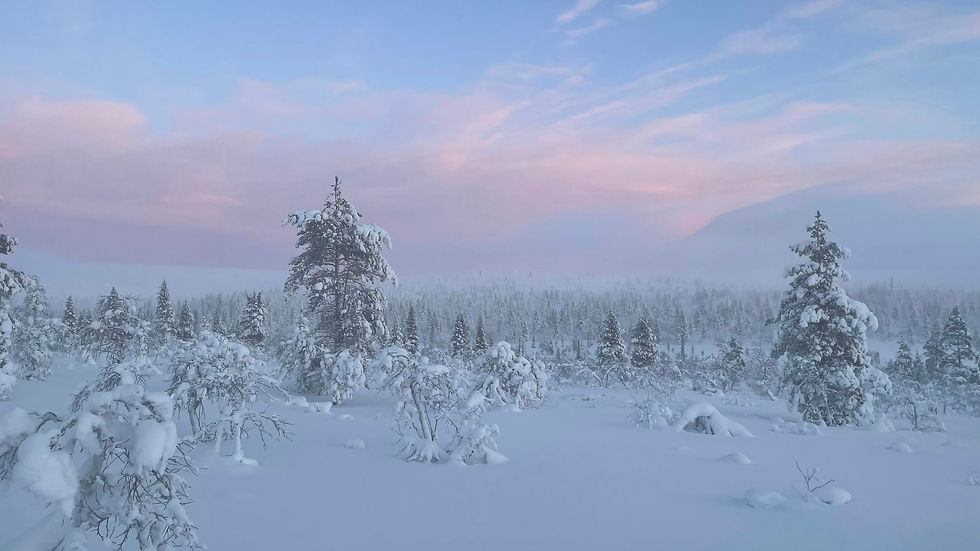
Image credit: Harri P via Unsplash
In this guide, written with Rovaniemi in Finnish Lapland in mind, I’m sharing what to wear in Lapland in winter: how the layers work, Rovaniemi temperatures month by month, what tour operators and hotels lend you, what to wear for each activity, what children need, and a full Lapland packing list. You’ll find my answers to the most common questions in the FAQs at the end.
Quick Links:
What to Wear in Lapland: The Three Layer System
It all comes down to three layers that each do one job, with a fourth in reserve for the coldest days. It’s the system Visit Rovaniemi recommends, and the one I summed up in my winter guide to Lapland.
Here’s what each layer does:
Base layer: a thermal top and leggings next to your skin, ideally merino wool, to keep you dry
Mid layer: a fleece or wool jumper with fleece or wool trousers, to trap warm air
Outer layer: a windproof, water-resistant jacket and trousers, or the thermal overalls your operator lends you
Extra layer: a thin down jacket or extra scarf for very cold days
The clever part is that layers come off. You warm up quickly once you’re moving, and damp clothes are what make you cold later, so shed a layer before you overheat and put it back on when you stop.

Image credit: Harris Vo via Unsplash
How Cold Is Lapland in Winter? Rovaniemi Temperatures by Month
Winter days around Rovaniemi usually sit between minus 5°C and minus 20°C, with the odd plunge below minus 30°C. The figures below are the Finnish Meteorological Institute averages for Rovaniemi Airport from 1991 to 2020, rounded to the nearest degree, with average day length from Visit Rovaniemi:
December: average high minus 5°C, average low minus 11°C, around two and a half hours of daylight
January: average high minus 7°C, average low minus 14°C, around four hours of daylight
February: average high minus 7°C, average low minus 13°C, around eight hours of daylight
March: average high minus 2°C, average low minus 9°C, around 12 hours of daylight
Averages hide the swings. Visit Rovaniemi’s own winter guide quotes minus 10°C to minus 20°C for December and minus 15°C to minus 30°C for January, and the airport’s record low is reported as around minus 38°C, set in January 1999. Pack for the cold snap, not the average.
Worth knowing: the weather in Lapland in February is still properly cold, but the light is back, and across my three winter trips February and March gave me the best chances of seeing the northern lights.
What Tour Operators and Hotels Supply (and What You Still Need)
Many tour operators and some hotels in Lapland lend you the bulky outer layer, so you may not need to buy an Arctic suit at all. Inclusions vary, so check before you pack. At the time of writing, these are the published ones:
Apukka Resort: thermal overalls, winter boots, woollen socks and mittens for guests aged two and over, with stays and activities
Lapland Safaris: overalls, boots, woollen socks, mittens, a balaclava and a helmet, in sizes from toddlers to XXXL
TUI packages: an all-in-one suit, boots and socks, with children’s suits from 90cm to 164cm tall
Santa’s Lapland packages: a thermal suit, boots, woollen socks and mittens, though not always suits for under twos
What you’ll generally still need is the bit underneath: base layers, mid layers, your own hat, a neck warmer and liner gloves. Lapland Safaris normally takes its kit back after each activity, so bring your own coat and boots for everything in between. If nothing is included, you can hire: a set from Rovaniemi Insider starts from €35 a day at the time of writing, so check the official page for current prices.
Hands, Feet and Face: The Bits That Get Cold First
Fingers, toes, cheeks and noses feel the cold first, so this is where extra packing pays off.
Hands
Mittens are warmer than gloves. Wear thin liner gloves underneath and you can slip a mitten off to take a photo without baring your skin. Hand warmers tucked inside are a lovely extra on long nights outdoors.
Feet
Wear one thin pair of socks under one thick wool pair, inside boots at least a size bigger than usual. You should always be able to wiggle your toes. Grip matters too: the walk up to our pod at Whitepod in the Swiss Alps took around 15 minutes of steep, snowy climbing in winter, so proper winter footwear was one of my tips there as well.
Face and head
Pack a warm hat that covers your ears, a balaclava or neck warmer you can pull up over your nose, and lip balm and a rich moisturiser for the dry air. The cold-weather advice on Finland’s ski.fi is to head indoors and warm up if your face turns numb or pale.
What to Wear for Each Lapland Activity
What you wear changes with how much you’re moving: the less you move, the more layers you need. These are the activities from my own trips, with what to wear for each.
Snowmobiling
Operators such as Lapland Safaris add a helmet and balaclava to the overalls, and you’ll want both, because these things fly. I had a go, but Laz did most of the driving on ours while I happily played passenger princess, and a passenger sits still in the wind, so add your extra layer. Apukka Resort and Lapland Safaris both ask for drivers to be at least 18 with a valid driving licence.
Husky sledding
Sitting on a sled is colder than it looks. Apukka Resort points out that even milder days feel chilly on a husky ride, so wear the full overalls, pull your neck warmer over your nose and pop toe warmers in your boots.

Image credit: Ozgu Ozden via Unsplash
Northern lights nights
This is the one to dress warmest for, because you stand still for hours. In my Lapland guide I joked about freezing and questioning your life choices in ten layers of thermals, right up until the sky lights up. On Apukka’s Northern Lights Snow-train you’re wrapped in blankets by an open fire with warm berry juice, but Apukka lists around two hours outdoors at the camp, so wear everything you have. Cold drains phone batteries too, so bring a power bank.
Sauna and ice dip
Pack a swimsuit and not much else! The dash from sauna to frozen lake is usually done barefoot across the snow, which I described in my guide as slightly unhinged and surprisingly addictive. Rules vary: at Apukka’s lakeside sauna, at the time of writing, swimsuits are for the lake but aren’t allowed inside the sauna, and towels, bathrobes and slippers are provided.

What to Wear Indoors and in the Evening
Indoors you need far less than you’d expect, so dress as you would for a cosy winter weekend at home. The suites at the Arctic TreeHouse Hotel have underfloor heating, and in my Lapland guide I wrote about fluffy robes, coffee and watching the snow fall, and about catching the northern lights from bed without putting socks on. Jeans and cotton are fine inside, it’s only outdoors that they let you down. Pack soft knits and slippers.
What Children Should Wear in Lapland
Children wear the same three layers as adults, just with more spares. My Lapland guide is about the adventures and where to stay, not about packing for little ones, so this section is researched advice and not a diary entry, drawn from what the operators themselves publish.
A sensible list for each child:
Two sets of merino or thermal base layers
A fleece top and trousers, or a fleece all-in-one
Their own snowsuit if your operator doesn’t supply their size (often under twos or under 90cm)
Two pairs of mittens, plus thin liner gloves
A balaclava or buff to keep the wind off little cheeks
Wool socks and roomy snow boots
Check sizes before you travel. At the time of writing, TUI’s suits start at 90cm and it asks families with smaller children to bring their own thermal clothing, while Apukka’s clothing is for guests aged two and over. Lapland Safaris has a brilliant changing room tip: dress the children first, then get everyone outside before anyone starts sweating.
If the real thing is a year or two away, Lapland UK is just four miles from Royal Berkshire in Ascot, which I reviewed after our spring family stay.

Image credit: S. Conrad via Unsplash
Lapland Packing List: The Full Checklist
A Lapland packing list for four or five nights is shorter than you’d expect, because borrowed overalls can do the heavy lifting. Here’s a checklist for each adult:
Two or three thermal base layer sets
A fleece, a wool jumper and fleece or wool trousers
A thin down jacket as your extra layer
An insulated, windproof coat and waterproof trousers
Roomy snow boots with good grip
Wool socks and thin liner socks
Mittens, liner gloves and a spare pair
A warm hat and a balaclava or neck warmer
A swimsuit
Hand warmers, toe warmers and lip balm
A power bank and a clip-on reflector
Indoor clothes and slippers
Your driving licence for snowmobiling
Lapland Packing FAQs: Everything Families Ask
What to wear is one of the questions I get asked most about Lapland, so here are the most common packing questions, answered.
What should I wear in Lapland in December?
Three layers, plus a spare. That means a thermal base layer, a fleece or wool mid layer and insulated overalls or a windproof outer layer, with mittens, wool socks and a balaclava. Rovaniemi averages highs of around minus 5°C and lows of around minus 11°C in December, with about two and a half hours of daylight.
What is the weather in Lapland in February?
Cold, snowy and much brighter. Rovaniemi averages highs of around minus 7°C and lows of around minus 13°C in February, with about eight hours of daylight.
Are thermal suits provided in Lapland?
Often, yes. Many activity operators and package holidays include thermal overalls and boots, and often woollen socks and mittens, but check what’s included before you pack. You still bring your own base layers, mid layers, hat and neck warmer.
Can you wear jeans in Lapland?
Only indoors. Denim and cotton hold moisture, so they’re fine for dinner but a poor choice outside. Wear thermal leggings with fleece or wool trousers on top instead.
What shoes should I wear in Lapland?
Insulated snow boots at least one size bigger than usual. The extra room lets you wear two pairs of socks and still wiggle your toes, which keeps feet warmer. Choose soles with good grip, or add ice cleats.
Tips for Packing: The Mistakes to Avoid
Here are the packing mistakes to steer clear of:
1. Don’t wear cotton next to your skin. Once it’s damp it stays damp, and wool keeps you drier.
2. Don’t buy boots that fit snugly. Loose boots keep your feet warmer, so go at least a size up.
3. Don’t overdress indoors. Sweating before you head out is a quick way to feel cold later.
4. Don’t buy what you can borrow. Check what your operator or hotel lends before you shop.
5. Don’t forget your driving licence. You’ll usually need it to drive a snowmobile yourself!
The Honest Bits
Borrowed overalls are built for warmth, not style: Lapland Safaris admits its kit feels bigger than your normal clothes. The kit lists for Apukka, TUI, Santa’s Lapland, Lapland Safaris and Rovaniemi Insider come from their own websites, not from anything I’ve written about my own trips, and inclusions can change each season.
Final Thoughts: Dress Well and Lapland Does the Rest
Three winter trips in, I still stand by what I wrote in my Lapland guide: layers are everything. Get them right, borrow the bulky bits, look after your hands, feet and face, and the cold becomes part of the fun.
For what to do once you’re dressed, my Lapland in winter guide covers snowmobiling, huskies, the snow-train and where to stay. And if snowy escapes are your thing, have a read of our stay at Whitepod in Switzerland too.
Disclaimer: My original Lapland guide features brands that hosted me as part of multiple press trips. Our stay at Whitepod was kindly hosted as part of a collaboration and our stay at Royal Berkshire was kindly gifted. As always, all views and opinions shared are entirely my own.
You might also enjoy: our winter guide to Lapland, our romantic stay at Whitepod in the Swiss Alps and our family stay at Royal Berkshire in Ascot, four miles from Lapland UK.
If this has sparked your wanderlust, make sure you’re following me over on Instagram and TikTok [@sammylouluxe] as that’s where I share behind-the-scenes stories, travel tips, and magical moments from my trips as they happen. Think of my Stories as your front-row pass to the adventure, long before it hits the grid or features on the Travel Editorial.
Photo credits: SammyLouLuxe and Unsplash


Comments